
Sports Event Brand Partnerships That Fit
A packed start line, muddy trail shoes, boards on the water, riders rolling out with a grin – that is where sports event brand partnerships either come alive or fall flat. Participants can spot the difference straight away. If a brand adds energy, usefulness and a better event-day experience, it belongs. If it feels bolted on, everyone notices.
For events built around challenge and community, the stakes are even higher. People are not just turning up to watch a logo. They are giving up their weekend, training for months and bringing their mates, families and colleagues along for the ride. That means sports event brand partnerships need to do more than fill banner space. They need to make the event stronger.
Why sports event brand partnerships matter
The best event partnerships are not a side deal tucked into a sponsor deck. They shape how an event feels on the ground. A smart partner can improve registration, kit, fuelling, travel, recovery, camping, content capture and even the atmosphere in the event village. When that happens, the relationship stops being a transaction and starts becoming part of the experience.
That matters for organisers because event costs are real and rising. Infrastructure, safety cover, staffing, timing, insurance and venue delivery all need proper backing. Partnerships can help fund that properly, which protects quality rather than forcing cut corners. For participants, that usually shows up in the details – clearer comms, better facilities, more support out on course and a race day that feels polished without losing personality.
Brands get something valuable too, but only if they approach it the right way. Mass-participation sport gives them access to a committed, emotionally invested audience. These are people who care about performance, the outdoors, wellbeing and memorable experiences. That is powerful. But attention has to be earned.
What makes a partnership feel credible
Credibility starts with fit. A trail running audience expects something different from a city marathon crowd. A paddle-based event has its own culture. A bike-focused sportive has another. The strongest partnerships understand the specifics of the community instead of treating every event as the same marketing channel.
For outdoor endurance events, useful brands tend to sit naturally in the participant journey. That could mean nutrition, hydration, apparel, recovery, transport, tech, eyewear, camping, coffee or sustainability support. It could also mean local partners who improve the wider weekend – accommodation, hospitality or area-based experiences. Relevance is not about category alone, though. It is also about attitude.
A big-name brand can still feel wrong if it talks over the audience or tries too hard to dominate the event. On the other hand, a smaller brand with the right voice, product and presence can make a huge impact. Participants respond well to brands that understand why they are there. They want support, not clutter.
The difference between sponsorship and contribution
This is where many sports event brand partnerships lose momentum. Too many deals focus on exposure first and value second. A logo on a finish arch has its place, but exposure alone rarely creates much loyalty. Participants remember what helped them, what surprised them and what made the day easier or more enjoyable.
A contribution-led partnership asks a better question: what can this brand genuinely improve? Sometimes that means practical support, like a recovery zone, mechanical assistance, charging points, weather shelter or product sampling that actually suits the conditions. Sometimes it means creating a moment – a brilliant cheer point, a quality prize experience or useful pre-event content that helps people prepare.
The best partnerships are often visible without feeling forced. They become part of the rhythm of the event. That takes more thought than simply placing signage, but the return is stronger because the audience connects the brand with a good experience rather than just a sales push.
How organisers should choose the right partners
The first step is being honest about the event itself. Not every brand is the right fit, and not every cheque is worth taking if it chips away at trust. Organisers need a clear view of their audience, their values and the parts of the experience they want to protect.
That usually means looking at three things. First, audience overlap. Does the partner genuinely want to reach the people who turn up? Second, brand alignment. Does their tone, product and reputation sit comfortably within the event culture? Third, operational value. Can they help deliver something tangible rather than just adding noise?
It also helps to think beyond race day. A strong partner can support the full event cycle – launch content, early bird activity, training build-up, participant education and post-event storytelling. That gives the partnership more depth and makes it easier to measure results beyond footfall on the day.
For a challenger event in the outdoor space, that balance matters a lot. Adventure audiences are open-minded, but they are also switched on. They will welcome a brand that gets the culture. They will quickly tune out one that does not.
What brands should ask before saying yes
From the brand side, there is a temptation to chase scale and headline numbers. Bigger is not always better. The sharper question is whether the event offers the right context. A highly engaged niche audience can outperform a broader one if the match is stronger.
Brands should ask what role they can realistically play. Are they there to build awareness, gather feedback, create content, trial products, sell on site or start longer-term relationships? The answer changes what a good partnership looks like. A sampling-led activation needs different planning from a hospitality-led one.
They should also ask how the organiser runs the event. Reliability matters. A great community feel means little if the basics are shaky. Clear communication, strong infrastructure, sensible policies and a smooth participant journey all protect the brand as much as the event. That is one reason the strongest partnerships often form around organisers who combine personality with professionalism.
Measuring sports event brand partnerships properly
If success is only measured by logo impressions, everyone ends up underselling what the partnership can do. Better measurement reflects both commercial and experience outcomes.
For organisers, useful indicators might include participant satisfaction, repeat bookings, partner renewal, on-site engagement, social content creation and uplift in add-on purchases such as camping or group packages. For brands, it could be lead quality, product trial, email sign-ups, sales conversion, content performance or brand recall after the event.
There is also a softer layer that should not be ignored. Did people mention the brand positively without being prompted? Did participants photograph the activation because they wanted to, not because they were told to? Did the partnership become part of the event story? Those signals matter because they show the audience accepted the brand as part of the experience.
Where partnerships go wrong
The most common mistake is misalignment. A partner might have budget, but if their product, tone or intentions jar with the event, the whole thing feels awkward. Another issue is overbranding. If every touchpoint is crowded with sales messages, the event stops feeling like an event and starts feeling like an advert.
Poor planning is another killer. Even a good idea can underperform if staffing is weak, logistics are rushed or the activation ignores how participants actually move through the day. An endurance audience behaves differently before the start, mid-race and after the finish. Timing changes everything.
There is also the question of authenticity. Sustainability claims, community promises and wellness messaging have to stand up. Sports audiences are increasingly alert to empty statements. If a partner says the right things but behaves differently on site, trust drops quickly.
Why niche events can be a better bet
There is a lot to be said for events with a strong point of view. They may not always deliver the biggest crowd, but they often deliver the strongest connection. That is especially true when the event blends sport with lifestyle, outdoors culture and shared experience.
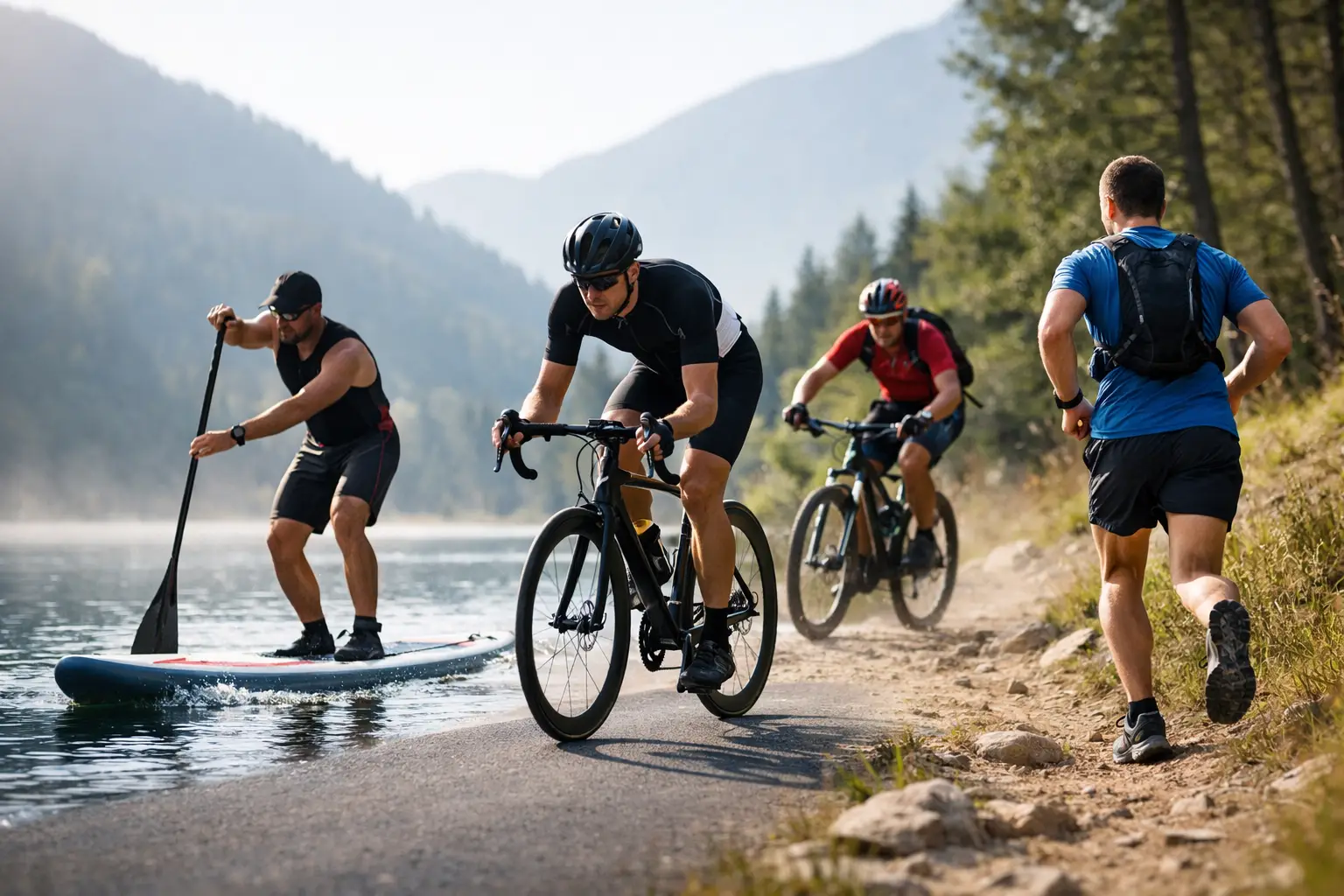
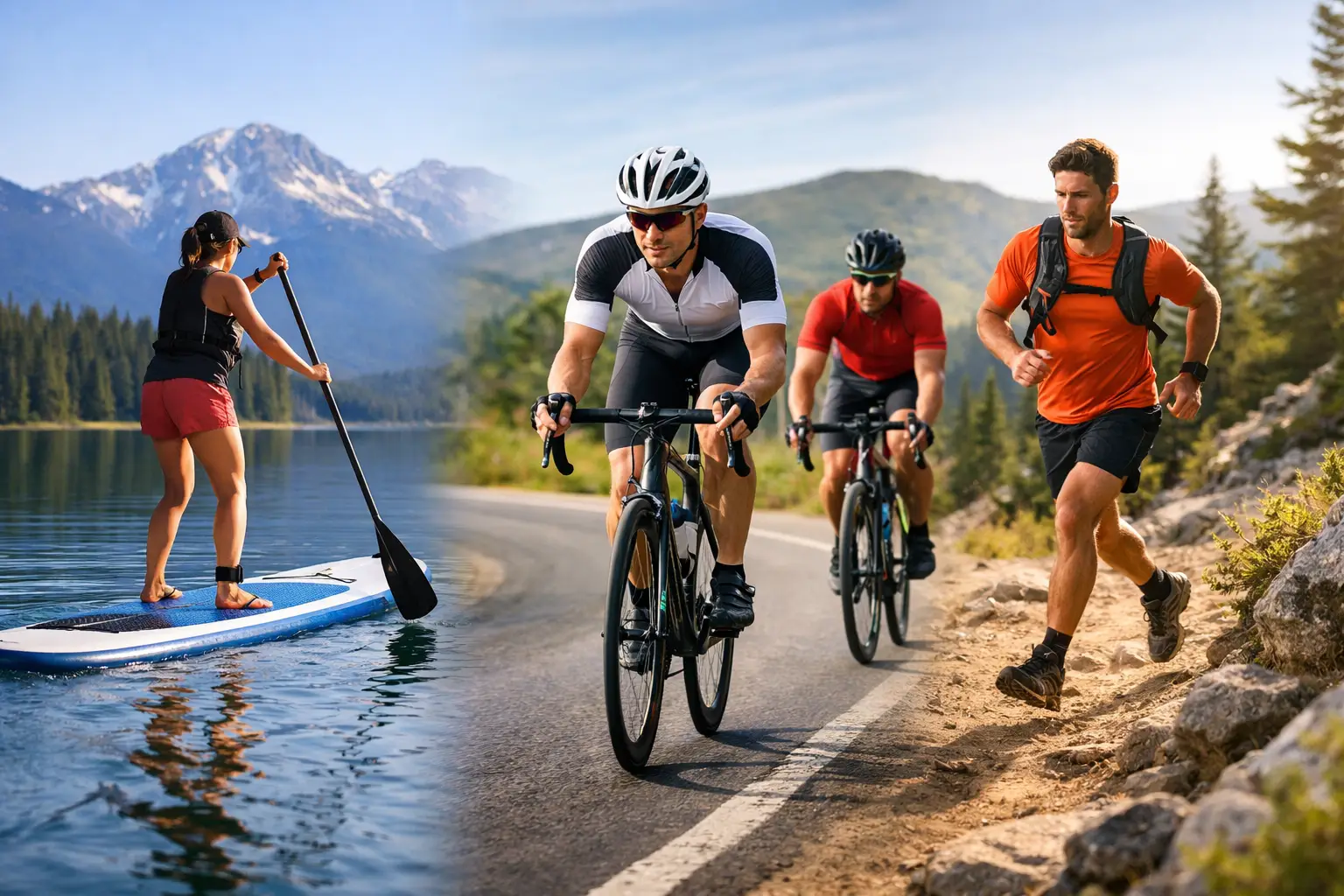
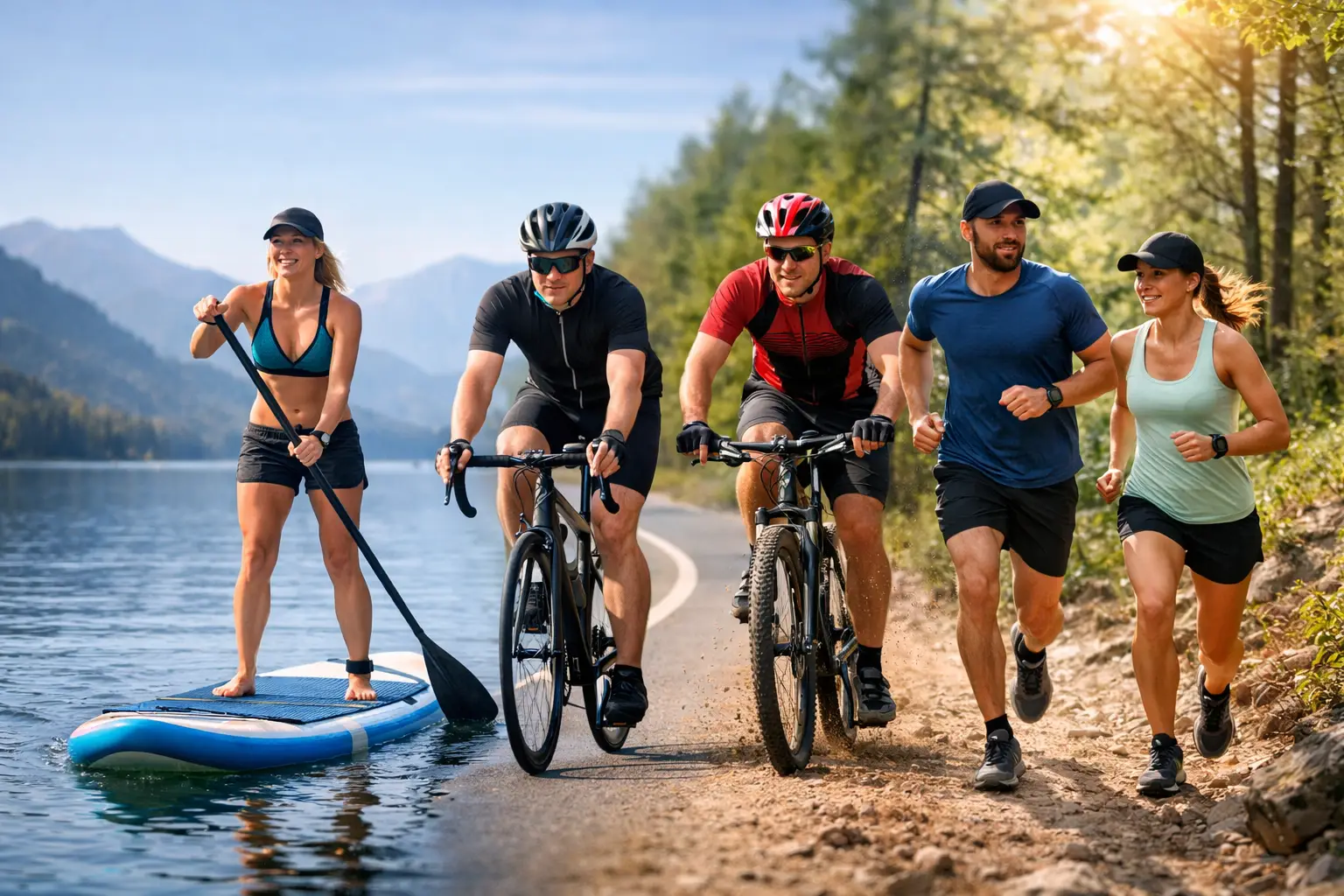
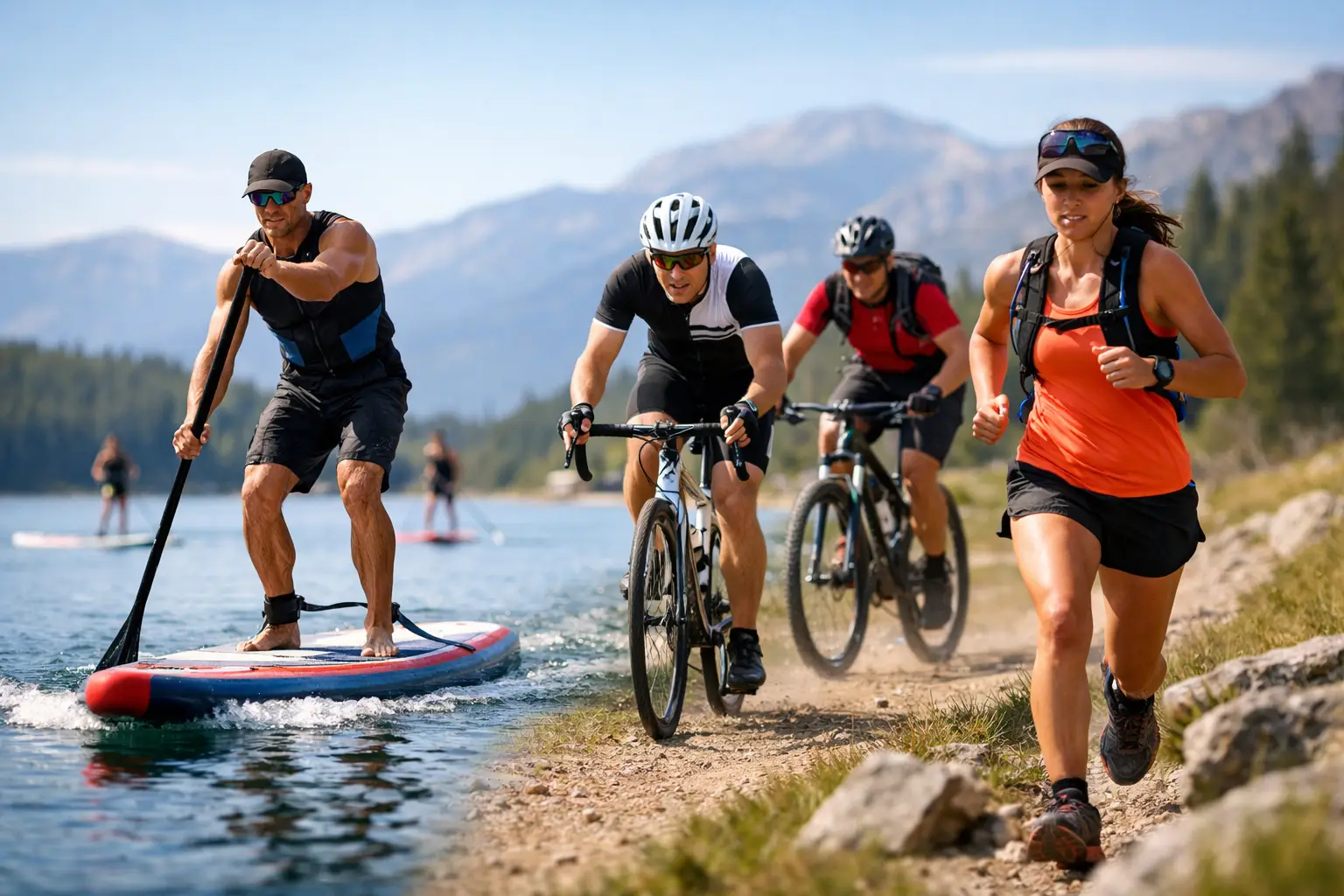
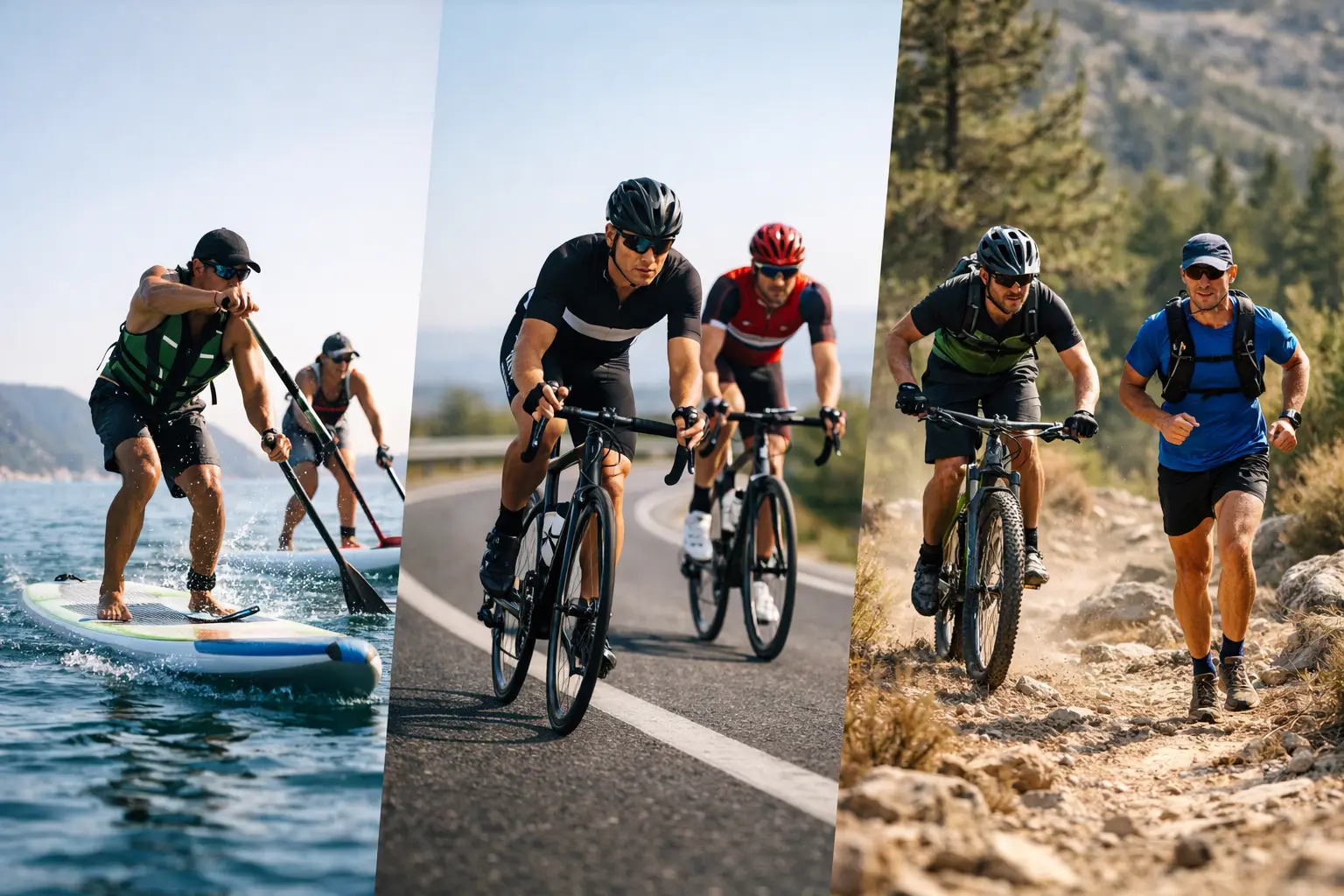
A format that brings together paddleboarding, cycling and trail running, for example, attracts people who want more than a standard race. They are often buying into an identity as much as an entry slot. That gives brands a richer environment to work in, as long as they respect it. SUPBIKERUN sits in exactly that space – adventurous, inclusive and well-run, with a community that values challenge and good vibes in equal measure.
For the right partner, that kind of event offers something rare: a chance to show up in a way that feels human. Not polished within an inch of its life. Not overly corporate. Just relevant, useful and memorable.
The future of event partnerships
The next wave of partnerships will be less about sponsorship packages in the old sense and more about integrated experiences. Participants expect more thought, more usefulness and more personality. They want brands to add something to the day, not just borrow attention from it.
That creates a better standard for everyone. Organisers have to protect their culture. Brands have to earn their place. And participants get an event that feels properly supported rather than commercially crowded.
The winning formula is not complicated, but it does take discipline: know the audience, improve the experience and keep the fit honest. If a partnership can do that, it will not just be seen. It will be remembered when people book again, bring their mates and start planning the next adventure.